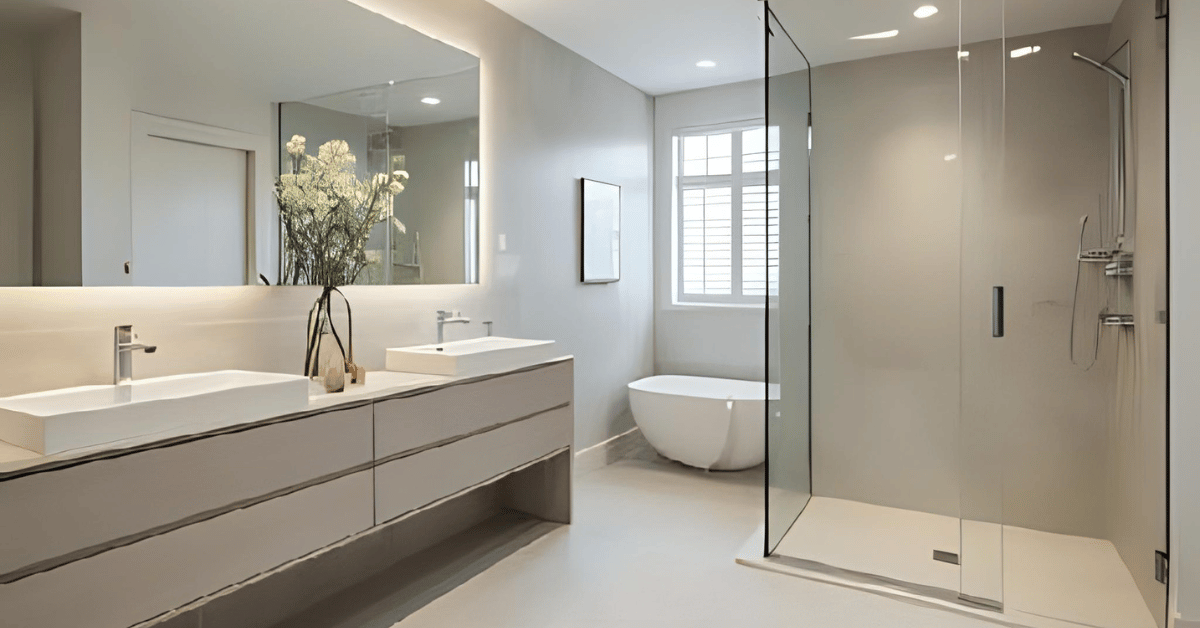
Choosing the right shower heads can change how a bathroom functions, feels, and uses water each day. The decision may appear simple at first. Yet spray coverage, water pressure, mounting style, finish, valve compatibility, and maintenance requirements all deserve attention before a purchase is made. A well-selected fixture supports daily comfort while fitting the bathroom’s design and plumbing system.
Excel Plumbing Supply & Showroom has served as San Francisco’s premier plumbing wholesale distributor and showroom for more than 20 years. With over 6,000 square feet of showroom space and a large selection of kitchen and bath fixtures on display, customers can compare products before making a decision. From bathroom accessories and bathroom furniture to a complete kitchen, the team has you covered. Click here to schedule an appointment or call 415.863.8889.
Why Shower Heads Deserve More Attention
A shower fixture works every day, often several times a day in a busy home. Despite that workload, people sometimes select one based only on appearance or price. Those considerations matter, but they don’t tell the full story. A fixture that looks right may provide limited coverage, produce an unsuitable spray, or require more pressure than the plumbing system can deliver.
The right model creates a practical balance between comfort, performance, water use, and upkeep. It should also coordinate with the shower valve, trim, enclosure, and available installation space.
Daily Performance Matters
Good performance isn’t simply about producing a strong stream. Spray consistency, coverage, droplet size, and adjustment controls all affect the experience.
Someone who wants a direct rinse may prefer a concentrated spray pattern. Another person may want broad coverage that distributes water across the shoulders. A household with different preferences may benefit from an adjustable model with several settings.
Before purchasing, consider:
- The available household water pressure
- The preferred spray strength
- The height of the people using the shower
- Whether children or older adults use the bathroom
- How frequently the fixture will require cleaning
- The desired water flow rate
- Whether a fixed or movable fixture is more practical
Making these decisions early can reduce product returns and installation changes.
Appearance Has a Long-Term Effect
Fixtures occupy limited space, but their finish and profile influence the entire bathroom. A small polished fixture can create a traditional presentation. A wide, thin model may support a modern design. Exposed components can add visual interest, although they require thoughtful coordination with the rest of the room.
The selected finish should work with the faucet, valve trim, tub spout, accessories, lighting, and cabinet hardware. Exact matching isn’t always necessary. Still, finishes need enough consistency to make the design look intentional.
Common Types of Shower Heads
Shower heads now come in configurations suited to different bathrooms, installation requirements, and personal routines. Understanding how the major options work makes comparison easier. The best choice usually depends on the user, not on whichever product has the longest feature list.
Some bathrooms need a straightforward fixed fixture. Others benefit from a handheld unit, overhead rain fixture, dual system, or adjustable arrangement. Measuring the space and reviewing the plumbing connection will help narrow the field.
Fixed Wall-Mounted Models
Fixed wall-mounted fixtures connect to a shower arm that extends from the wall. This remains one of the most familiar options for residential bathrooms.
Installation can be relatively simple when the existing shower arm and plumbing connection remain in good condition. Many models include adjustable spray patterns, allowing the user to switch between a focused stream, wider coverage, or massage setting.
Fixed models work well when:
- The bathroom needs a straightforward fixture replacement
- The user prefers a stable spray position
- The project has a limited installation budget
- Additional hoses or wall brackets aren’t wanted
- The shower enclosure has limited space
A fixed design can still provide strong performance. Larger size doesn’t automatically mean better water distribution, so reviewing the spray technology and recommended pressure remains important.
Handheld Fixtures
A handheld fixture connects to a flexible hose and rests in a wall-mounted bracket or sliding rail. It can function as a standard shower when placed in its holder, then be removed for targeted rinsing.
Handheld models support several practical needs. They make it easier to rinse the shower walls, wash a pet, assist a child, or direct water while seated. For households planning to age in place, a handheld option can improve accessibility.
Hose length deserves close attention. A hose that’s too short limits movement, while one that’s unnecessarily long may rest on the shower floor. The bracket also needs to remain easy to reach for each household member.
Rain Shower Fixtures
Rain shower fixtures create broad overhead coverage. Many feature wide faces that distribute water through numerous spray openings. They can mount directly to the ceiling or connect to an extended arm from the wall.
The experience often feels gentler than a concentrated wall spray. That can be appealing, but proper installation height and water pressure are essential. A large fixture installed too high may lose warmth before the water reaches the user. One installed too low may feel restrictive.
Ceiling-mounted models may require plumbing changes, especially during a renovation. A wall-mounted rain fixture can sometimes provide a similar effect without moving supply lines.
Dual Shower Systems
Dual systems combine a fixed fixture with a handheld component. Depending on the valve and diverter, users may operate one outlet at a time or use both together.
This configuration offers flexibility for households with varied preferences. The fixed head handles everyday showering, while the handheld unit provides targeted rinsing and cleaning support.
Check the total flow rate before assuming both components can operate at full strength simultaneously. Local requirements, water pressure, and the system’s diverter design can influence performance.
Body Sprays and Multi-Outlet Systems
Body sprays mount within the shower wall and direct water horizontally. They often form part of a larger system that includes an overhead fixture and handheld wand.
These arrangements require more planning than a single fixture. Supply lines, valves, drainage, water-heater capacity, and pressure must support several outlets. Installation heights should also reflect the primary users.
A multi-outlet system can offer substantial flexibility, but adding components without proper planning may result in weak flow or uneven temperature control. Working with knowledgeable plumbing professionals early in the design process can prevent those issues.
Shower Heads That Make Every Drop Count in Smaller Bathrooms
A smaller shower doesn’t need to sacrifice performance. In fact, selecting the correct fixture can make a compact enclosure more functional. The goal is to provide effective coverage without sending water toward the door, curtain, shelving, or dry areas.
Fixture depth and spray angle matter in tight spaces. A large projecting arm may reduce usable room, while an oversized spray face may place water outside the preferred area.
Choose Proportions Carefully
Compact fixed models and adjustable handheld units often work well in smaller showers. A fixture with an angled joint allows the spray to be directed away from openings.
For a narrow enclosure, measure:
- The distance between the finished wall and the shower opening
- The height of the current shower arm
- The available overhead clearance
- The distance from the spray outlet to built-in shelving
- The area needed to move comfortably
These measurements are more useful than estimating from product photos. Product dimensions should be reviewed before ordering, particularly for models with extended arms.
Control the Direction of Water
A broad spray isn’t always the best fit for a compact bathroom. Concentrated coverage may help keep water within the enclosure. Adjustable patterns allow the user to modify the spray when needed.
A handheld fixture can also help, especially when mounted on a vertical rail. The height and angle can be adjusted for different users without changing the plumbing connection.
Water Pressure, Flow Rate, and Efficiency
Water pressure and flow rate affect performance, but they aren’t the same measurement. Pressure describes the force moving water through the plumbing. Flow rate measures how much water passes through the fixture within a set period.
A model designed for higher pressure may provide limited coverage in a home with lower pressure. At the same time, a fixture using less water can still feel effective when it incorporates carefully designed nozzles and spray channels.
Check Existing Conditions
Before replacing a fixture, observe how the current shower performs. If pressure seems weak throughout the home, the issue may extend beyond the shower head. Mineral buildup, a partially closed valve, aging pipes, a pressure regulator, or another plumbing condition could affect the result.
If the problem occurs only at the shower, check for:
- Sediment near the connection
- Mineral deposits in the spray openings
- A worn or blocked fixture
- A kinked handheld hose
- A restricted diverter
- An issue within the shower valve
Replacing a fixture may improve performance when buildup or internal wear caused the problem. It won’t correct every pressure issue, though, which is why basic evaluation matters.
Look Beyond Gallons Per Minute
Flow rate offers a helpful comparison point, but spray design determines how that water feels. Two fixtures with the same rated flow can deliver noticeably different experiences.
One may produce smaller droplets across a wider area. Another may concentrate the same volume into fewer openings. Neither option is automatically better. The user’s preference and the shower’s dimensions should guide the decision.
Water-efficient shower heads can reduce consumption without making the shower feel ineffective. Product quality, nozzle design, and pressure compensation can help maintain dependable performance.
Selecting the Right Finish
Finish selection influences appearance, cleaning routines, and coordination with other fixtures. Chrome remains widely used because it works with many designs and is generally easy to match. Brushed finishes can reduce the visibility of fingerprints and water spots. Matte finishes create contrast but may need product-specific care.
Finish names aren’t standardized across every manufacturer. One company’s brushed nickel may look warmer or darker than another company’s version. Comparing physical samples provides a more accurate impression than relying on screen images.
Coordinate the Entire Bathroom
When planning a renovation, consider all visible fixtures together:
- Shower head and arm
- Handheld fixture and hose
- Valve trim
- Tub spout
- Sink faucet
- Towel bars and robe hooks
- Cabinet pulls
- Lighting hardware
Small finish differences may become more noticeable when fixtures sit close together. Viewing samples under the bathroom’s actual lighting can also help, since warm and cool bulbs may change how a metal finish appears.
Follow the Manufacturer’s Care Instructions
Some cleaning products can damage specialty finishes. Abrasive pads, strong chemicals, and prolonged exposure to cleaning solutions may alter the surface.
A soft cloth and mild cleaning solution often provide enough care, though the manufacturer’s instructions should take priority. Regular drying can also reduce water spotting and mineral accumulation.
Features Worth Considering
Product features should solve real needs. A long list of settings offers limited value if the controls feel difficult to use or if most settings go untouched.
Consider who uses the bathroom and what would make the daily routine easier. A household with children may prioritize a handheld unit. Someone seeking a simple replacement may prefer one reliable spray setting and an easy-clean face.
Adjustable Spray Patterns
Adjustable models may include focused, wide, pulsating, mist, or combination settings. Controls should turn smoothly and remain easy to operate with wet hands.
When viewing a display, check whether the adjustment feels solid. Small selectors may be less practical for users with reduced hand strength.
Easy-Clean Nozzles
Flexible nozzles can make mineral buildup easier to remove. Rubbing the nozzle surface may loosen deposits before they affect the spray pattern.
This feature is especially useful in locations where mineral accumulation occurs frequently. Routine cleaning still matters, but accessible nozzles may reduce maintenance time.
Height and Angle Adjustments
An adjustable shower arm or sliding bar helps accommodate users of different heights. This feature can also correct an existing shower outlet that sits too high or too low without relocating plumbing inside the wall.
Check the full adjustment range. The fixture should remain stable once positioned and shouldn’t drift during use.
Temperature and Digital Controls
More advanced systems may include thermostatic valves, preset temperatures, digital controls, or multiple outlet settings. These features can support consistency and convenience, especially in larger custom showers.
They require careful product coordination and professional installation. Power requirements, access for service, valve compatibility, and future replacement options should be reviewed during planning.
Planning for Installation
Some shower heads screw onto an existing arm with limited effort. Others require a new valve, diverter, supply line, mounting bracket, or ceiling connection. Knowing the difference before purchase helps control project costs.
A direct replacement may still require care to avoid damaging the shower arm or wall connection. Larger systems typically benefit from professional installation.
Confirm Product Compatibility
Before buying, confirm:
- Connection size and type
- Shower arm compatibility
- Valve and trim requirements
- Diverter configuration
- Recommended pressure
- Flow restrictions
- Wall or ceiling mounting needs
- Required rough-in components
Many trim kits don’t include every internal component. A product display may show the finished appearance while the valve, rough-in body, or mounting hardware requires a separate purchase. Reviewing the specification sheet can prevent an incomplete order.
Plan Access for Future Service
Internal components may eventually need maintenance. Concealed valves and digital controls should remain accessible where required. During a renovation, planning a service panel or practical access point can reduce future repair work.
Keep model numbers, receipts, finish information, and installation documents. These details make replacement parts easier to identify later.
Mistakes to Avoid When Buying Shower Heads
A purchase based solely on a photograph can create problems. Dimensions, finish tone, spray direction, and installation requirements aren’t always obvious online.
Whenever possible, examine the fixture in person and discuss the plumbing setup with someone who understands the product line.
Choosing Size Without Measuring
Large rain fixtures attract attention, but not every shower can support their dimensions. Measure the enclosure, ceiling height, and arm projection before committing.
Ignoring the Existing Valve
A new shower head may connect to the current arm, but a dual or multi-outlet system may need a different valve and diverter. Confirming this early helps prevent unexpected wall work.
Mixing Uncoordinated Components
Combining products from different collections or manufacturers can create finish differences and compatibility issues. Mixing can work, but every connection and visual detail should be checked.
Buying Only for Maximum Pressure
A forceful spray isn’t ideal for everyone. Coverage, control, temperature stability, and water use matter as well. The strongest option may not provide the best daily experience.
Frequently Asked Questions About Shower Heads
Customers often have questions about pressure, installation, cleaning, and product selection. The answers below provide a practical starting point, although the condition of each plumbing system may affect the final recommendation.
How often should a shower head be replaced?
There’s no single replacement schedule. A well-made fixture can last for years with proper care. Replacement may be appropriate when corrosion, recurring clogs, leaks, cracked components, or poor spray performance become difficult to correct.
Can a new shower head increase water pressure?
A new fixture can improve the way available pressure feels, especially when the old fixture has mineral buildup or a damaged internal component. It can’t increase the home’s actual supply pressure. If low pressure affects several fixtures, a plumber should inspect the plumbing system.
Are rain shower heads suitable for low ceilings?
They can be, but installation height and fixture depth must be considered. A thin ceiling-mounted model may work better than an extended wall-mounted arm in some spaces. Measure the clearance above the tallest user before selecting a product.
Is a handheld shower fixture useful in a family bathroom?
Yes. It can make bathing children, assisting household members, cleaning the enclosure, and rinsing difficult areas easier. A sliding rail also allows users to adjust the fixture height.
Do water-efficient shower heads provide enough pressure?
Many do. Performance depends on spray engineering, the home’s water pressure, and the selected flow rate. Comparing working displays can help customers judge coverage and spray strength more accurately.
Can shower fixtures from different brands be used together?
Sometimes, although connection standards, finishes, valves, and diverters may differ. Confirm compatibility before combining components, particularly in thermostatic or multi-outlet systems.
What causes uneven spray patterns?
Mineral buildup, sediment, blocked nozzles, low pressure, or worn internal parts can produce uneven spray. Cleaning the fixture may restore performance. Persistent problems could indicate a broader plumbing issue.
Should shower heads match the bathroom faucet?
They don’t have to come from the same collection, but the finish, shape, and design should coordinate. Seeing the fixtures together helps determine whether the combination looks intentional.
A Better Shower Starts With the Right Fixture
Shower Heads That Make Every Drop Count is more than a design idea. A properly selected fixture supports comfort, water control, accessibility, cleaning, and the bathroom’s overall appearance. The best option fits the available space, works with the plumbing system, and meets the needs of the people who use it.
Excel Plumbing Supply & Showroom has been San Francisco’s premier plumbing wholesale distributor and showroom for more than 20 years. With over 6,000 square feet of showroom space and a huge selection of kitchen and bath fixtures on display, customers can compare shower heads, finishes, accessories, and coordinating products in one place. From bathroom accessories and bathroom furniture to a complete kitchen, the team has you covered. Click here to schedule an appointment or give Excel Plumbing Supply & Showroom a call at 415.863.8889.
When the right choice brings performance, efficiency, and design together, it’s time to get a head start on better shower heads.