Excel Plumbing Supply & Showroom has served San Francisco for more than 20 years as a premier plumbing wholesale distributor and product showroom. With over 6,000 square feet of space, and thousands of kitchen and bath fixtures on display, professionals and homeowners regularly rely on us for solutions, design coordination, and high-quality product options. From bathroom accessories to bathroom furniture to a complete kitchen, we’ve got you covered. Click here to schedule an appointment or call us directly at 415-863-8889.
Toilets and bidets influence bathroom functionality and purchasing decisions more than many realize. The average home bathroom undergoes updates every decade, and fixture selection often sets tone, comfort, efficiency, and long-term cost. Toilets and bidets shape water consumption and hygiene habits. They also affect installation planning, plumbing design, and product budgeting. Buyers compare performance features, seat styles, bowl formats, and technology-driven cleaning elements. The market offers many directions, and understanding the breadth of options helps streamline future projects.
The following article titled Toilets and Bidets: A Practical Look at Modern Sanitation Fixtures addresses common questions from homeowners, contractors, interior designers, and remodelers. It also outlines what makes a well-matched fixture purchase, maintenance expectations, performance characteristics, and brand-level differences worth noting. Toilets and bidets remain essential core plumbing components, and smart choices reduce long-term energy consumption, cleaning effort, and repair risk.
Toilets and Bidets in Today’s Bathroom Design
Homeowners often enter a showroom expecting a standard toilet, yet modern product development expanded this category into several performance tiers. Toilets vary by flush system, trapway engineering, seat design, water consumption, finish durability, and tankless or one-piece structure. Bidets range from traditional porcelain models to electrical bidet seats with temperature-based adjustments and pressure controls. People evaluating toilets and bidets should understand differences between product classes to choose what aligns with usage habits.
Bathroom layout influences selection. A compact powder room generally benefits from round-front toilets, while primary bathrooms often integrate elongated bowls and heated bidet seats for additional comfort. Aging-in-place design strategies frequently include toilets with elevated seat heights and bidets with remote-operated functions for easier use and improved independence. Toilet and bidet placement also impacts rough-in configuration. Many residential projects standardize at 12-inch rough-ins, although custom work can require offset measurement review.
Toilets and bidets also vary in terms of water consumption. Modern 1.28 GPF toilets outperform older 3.5-5.0 GPF units significantly. Bidets help reduce toilet paper usage, limit plumbing blockage-causing debris, and simplify hygiene without heavy maintenance. Water-efficient homes often rely on combined toilet-bidet structures to streamline performance and daily comfort.
Understanding Toilet Types and Performance Expectations
Before reviewing flushing systems, take note of how bowl format influences overall experience. Bowl height ranges from standard to comfort-height. Comfort-height toilets generally sit at dining-chair level, which improves accessibility for adults. Seat shapes also differ. Elongated seats offer extended sitting space, while round-front seats fit tighter layouts.
Flush type selection matters. High-efficiency units maintain water savings without performance compromise. Pressure-assist toilets push waste through trapways rapidly for commercial-type reliability. Dual-flush toilets give users control over water consumption by offering two flush settings. For homeowners renovating multi-bathroom residences, consistent flush systems simplify spare-parts stocking and technician familiarity.
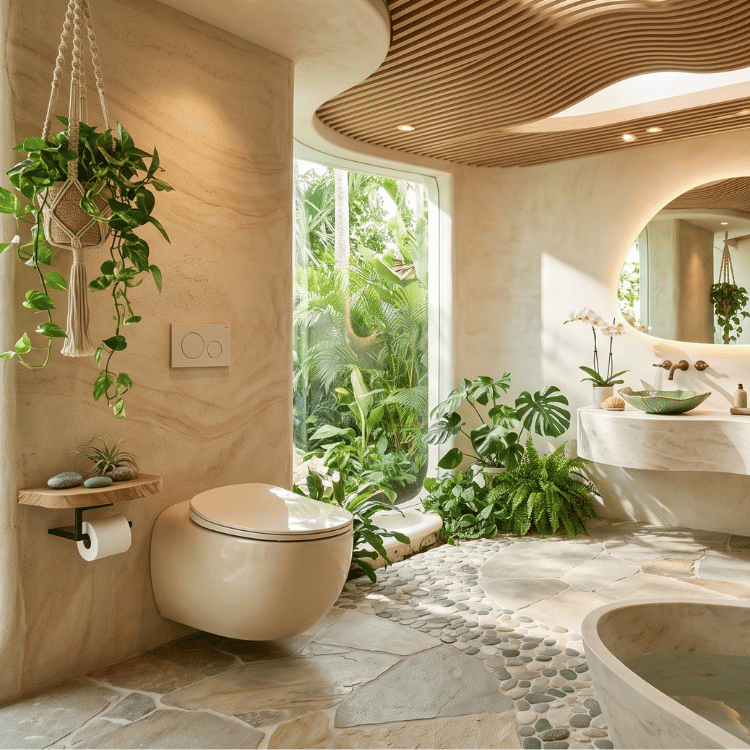
Customers shopping for toilets and bidets often request specific features that align with maintenance goals. Glaze coatings that reduce residue buildup speed up cleaning. Rimless bowl formats improve wash-down coverage. Slow-close seats remove slamming risk and extend hinge life. Quick-release seat mounts help with deep cleaning around hinges. Wall-hung toilets, while modern in appearance, require in-wall tank systems and appropriate support framing during installation.
Technicians often recommend verifying supply line placement before final product selection. A poorly aligned supply line may require modification work, which increases budget. Newer toilets sometimes integrate concealed trapways that look sleek and streamline cleaning. These units improve overall bathroom presentation, particularly in high-visibility spaces.
Bidet Configurations, Seat Designs, and Functionality Factors
Bidets once appeared mainly in European bathrooms, yet North American adoption increased steadily. Today, many homes install bidet seats rather than standalone fixtures, particularly during remodels that focus on comfort upgrades. Bidet seats mount directly onto existing toilets, offering warm water, adjustable spray positioning, and temperature-controlled drying functions. Installation often requires a GFCI-protected power outlet when selecting electric bidets.
Standalone bidets require separate plumbing connections and additional floor space. They operate as companion fixtures to the toilet, usually positioned side-by-side in larger bathrooms. Many designers prefer standalone bidets for projects prioritizing luxury and high-end uniformity. However, most homeowners pursuing functional upgrades choose retrofit bidet seats due to quick installation.
Heated water, comfortable seating surfaces, and automated cleaning modes continue to influence purchasing decisions. Pressure adjustment helps users control comfort level. Self-cleaning nozzles maintain hygiene standards efficiently and reduce maintenance labor. Remote controls offer simplified use for households with mobility limitations. For multi-user bathrooms, programmable bidet settings store preferred water pressure and nozzle positioning.
Materials matter, especially for longevity. Porcelain bidets retain long-term stability and resist surface wear. ABS plastic bidet attachments offer lower cost options, though lifespan differs compared to premium solid-constructed units. A balance between initial cost, maintenance expectation, and desired comfort determines optimal product fit.
Toilets and Bidets for Commercial and Multi-Unit Properties
Commercial property managers often purchase toilets and bidets with very specific goals: durability, serviceability, and predictable part sourcing. High-volume environments usually utilize pressure-assist toilets due to their consistent flush power. Vandal-resistant seats and solid-mount anchoring protect long-term investment. Floor-mounted toilets remain standard due to installation convenience, although wall-hung commercial designs facilitate floor-cleaning processes.
Multi-unit residential buildings require water-efficient toilets due to aggregated consumption. A 1.28 GPF system multiplied across dozens of apartments leads to extensive savings. Some property owners also incorporate bidets to reduce paper-related sewer blockages. Smart bidet models that self-sanitize reduce custodial workload.
Showrooms that understand large-scale purchasing requirements, such as Excel Plumbing Supply & Showroom in San Francisco, support bulk ordering and contractor-grade product sourcing. Since we maintain full-size displays, specifiers can physically evaluate toilet bowl height, seat design, and bidet controls before purchase.
User Experience and Maintenance Planning
Comfort matters. When selecting toilets and bidets, evaluate seat ergonomics, water control precision, noise level, and availability of replacement parts. A well-designed bathroom fixture should function seamlessly in daily use, with cleaning needs that fit homeowner expectations.
Cleaning frequency differs by surface material and bowl glaze quality. Smooth-finish glazes resist hard-water build-up. Rimless wash patterns reduce stagnation. Quick-disconnect seats allow periodic deep cleaning. Electrical bidets require occasional nozzle rinsing and filter replacement.
Maintenance schedules benefit from consistency. Record installation date, keep product manuals accessible, and store extra wax rings, fill valves, or flush seals. For bidet seats, verify outlet integrity annually. Surge protection helps extend electronics lifespan. A property owner who plans maintenance budgets avoids emergency downtime.
Installation planning differs depending on fixture type. A retrofit bidet seat suits most standard toilets. A floor-mounted standalone bidet requires separate drain and water line placement. Wall-hung toilets need carrier frames capable of supporting fixture weight and user load. Choose fixtures that match structural and plumbing conditions.
Long-term operating cost matters. High-efficiency toilets reduce water expense significantly. Bidets limit paper consumption. The right configuration results in measurable savings.
Key Considerations Before Buying Toilets and Bidets
Investors, homeowners, and contractors benefit from asking targeted questions during selection:
- What rough-in measurement applies to the space?
- Which seat height best supports user comfort needs?
- Is water pressure adequate for chosen flush mechanism?
- Will electrical access support smart bidet installation?
- Does the warranty support long-term maintenance planning?
- Are replacement parts accessible locally?
Excel Plumbing Supply & Showroom offers fixture comparisons, specification review, and in-store product testing to help answer these questions. Customers often schedule appointments to evaluate real product performance before final purchase.
Style Coordination Between Toilets and Bidets
Bathrooms achieve cohesive design through coordinated fixture lines. Matching toilets and bidets by finish color, silhouette, and handle design gives the room defined structure. Popular finishes include standard gloss white, bone-toned neutrals, and matte variants. Some manufacturers produce coordinated flush panels, cover plates, and bidet nozzle trims.
When designing a full remodel, consider vanity height, faucet finish, tile tone, and ambient lighting. Toilets and bidets should showcase professional alignment with surrounding decor. Sleek concealed-trap toilets pair well with frameless shower enclosures. Traditional bowl shapes align with classic trimwork and brass accents. Neutral bidet seats merge seamlessly when matching toilet dimensions accurately.
Plan for future upgrades. Many homeowners integrate bidets during later phases. Selecting a toilet compatible with common seat formats ensures upgrade flexibility.
Toilets and Bidets: FAQ Section
What is the difference between a bidet seat and a standalone bidet?
A bidet seat attaches to an existing toilet, while a standalone unit installs separately and requires individual plumbing connections.
Do bidets replace toilet paper entirely?
Most users still keep minimal toilet paper available, though usage decreases significantly.
How long do toilets last?
A high-quality toilet often remains serviceable for many years with routine maintenance and periodic part replacement.
Are smart bidets difficult to maintain?
Smart bidets need occasional filter and nozzle cleaning, but regular care keeps them operating efficiently.
Can I add a bidet to an older toilet?
Yes, many bidet seats retrofit successfully, although verifying shape compatibility and water supply placement improves success.
Does a wall-hung toilet require special framing?
Yes, these units need an internal carrier system capable of supporting load weight and fixture structure.
Is a dual-flush worth considering?
Dual-flush toilets support reduced water usage and give flexibility during operation.
Which fixture suits small bathrooms best?
Round-front toilets and integrated bidet seats often perform well in compact spaces due to smaller footprint.
Final Thoughts
Toilets and bidets shape comfort level, water usage, and daily hygiene. Businesses, homeowners, and remodel professionals rely on strong product knowledge when planning purchases. With over 20 years of service as San Francisco’s trusted plumbing wholesale provider, Excel Plumbing Supply & Showroom offers an extensive 6,000-square-foot space with kitchen and bathroom products displayed openly for hands-on evaluation. From bathroom accessories to bathroom furniture to complete kitchen builds, we welcome you to explore options. Schedule a showroom appointment here or call us at 415-863-8889 to discuss project needs.
Choosing toilets and bidets wisely pays off — because every bathroom deserves a well-planned flush.